


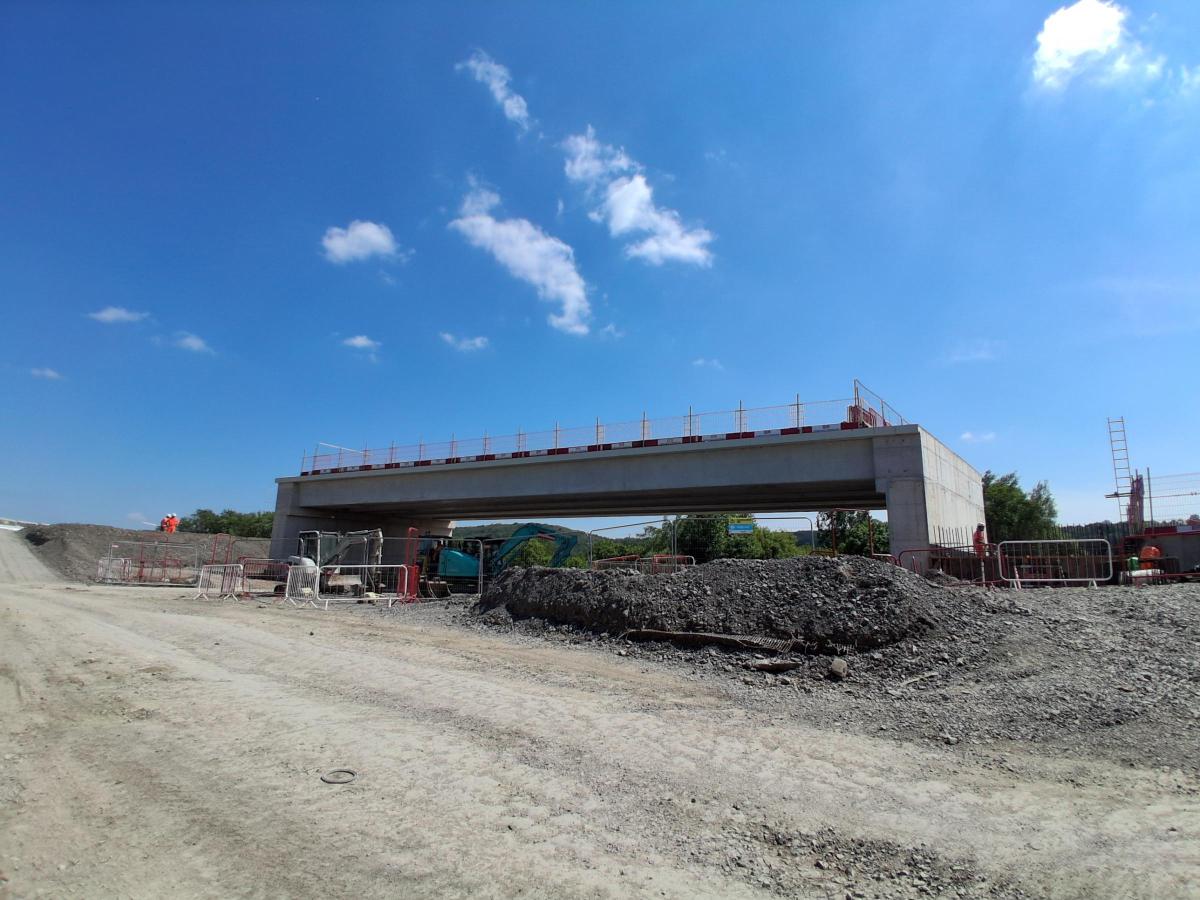
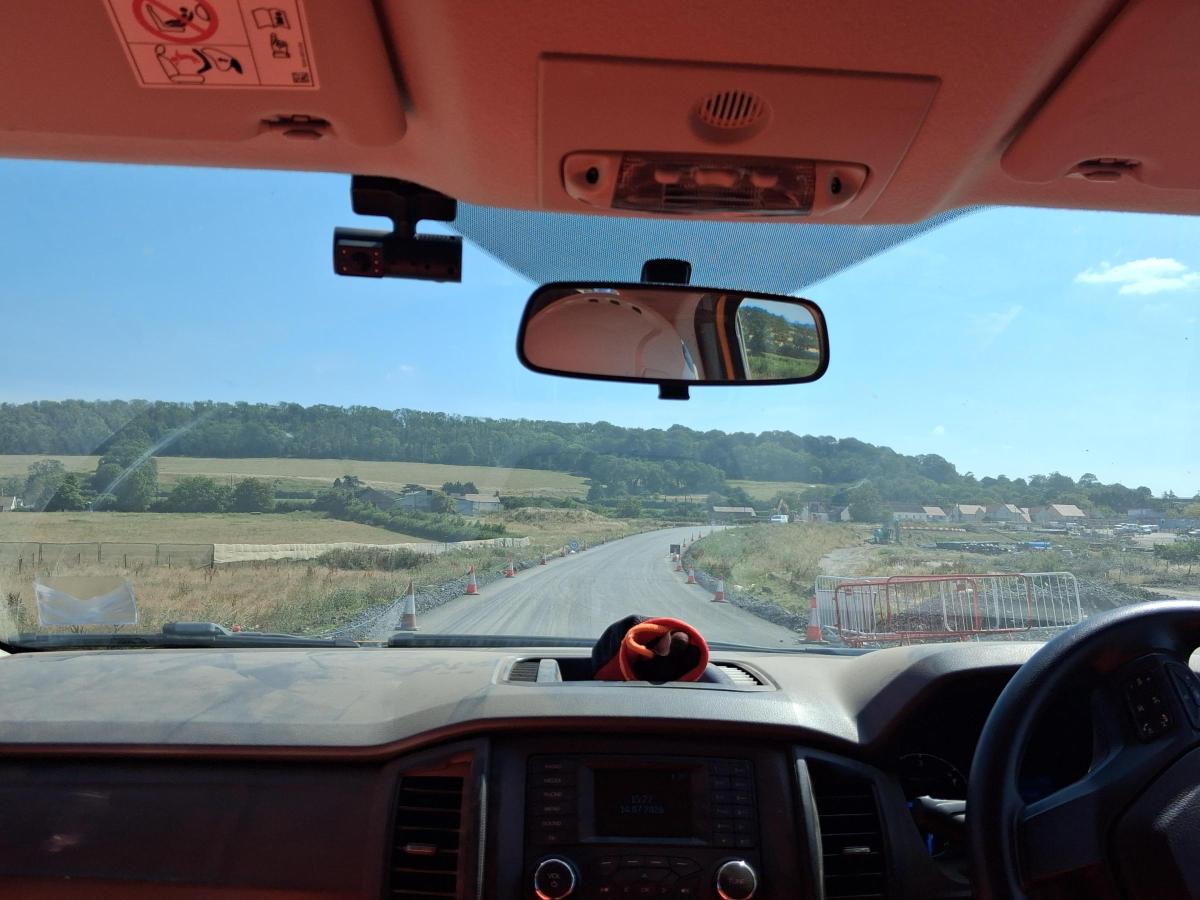
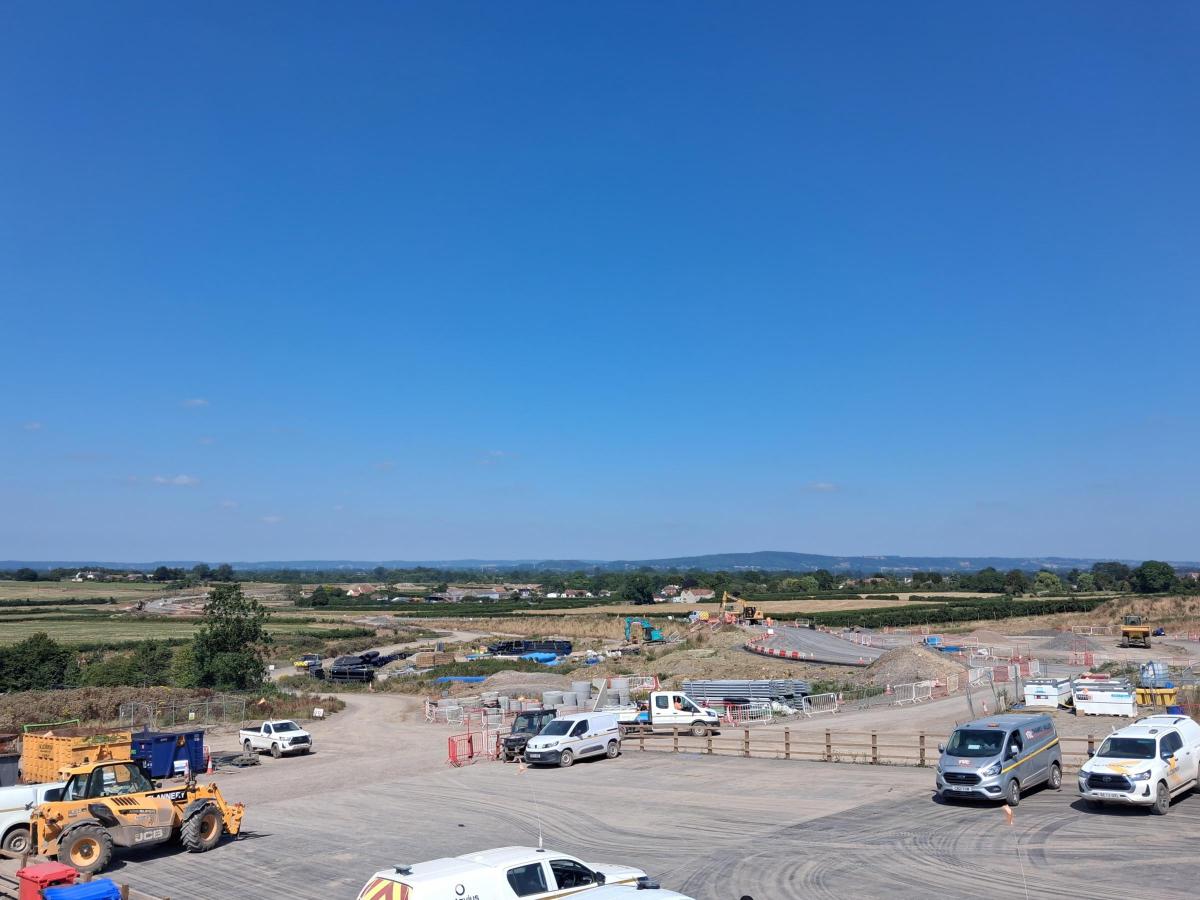
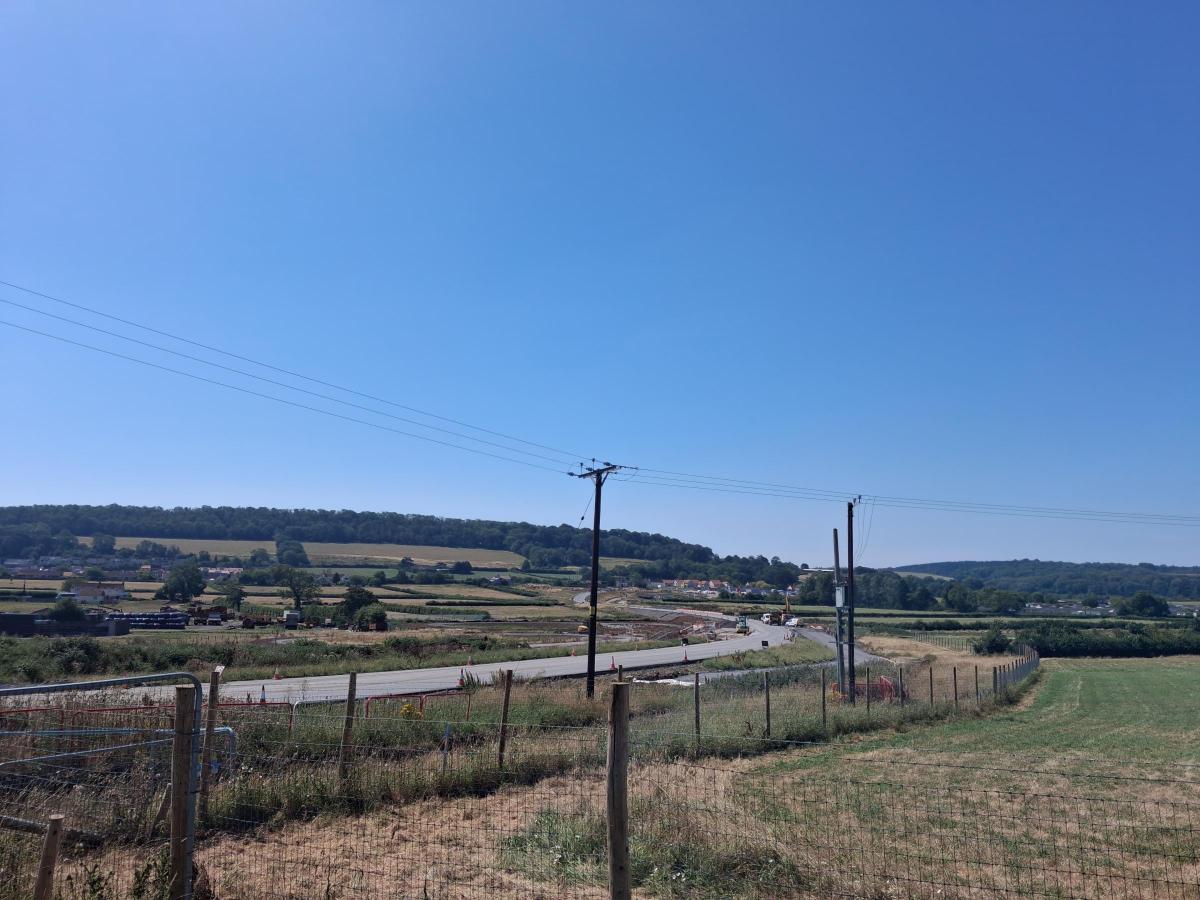

Councillors in North Somerset are fuming after an “incompetent” private water company caused almost £10m of delays to a new road.
The Banwell bypass has been delayed by 28 weeks at a cost of £9.5m after Bristol Water failed to complete agreed utilities works on time. North Somerset Council, which is building the road around the notoriously congested little village, is seeking legal advice on recovering the costs.
In the meantime it has been forced to borrow the money so that it can still complete the project. Councillor unanimously voted to approve that borrowing on November 12 but there was palpable frustration with the water company.
Banwell’s local councillor Joe Tristram (Green) said: “This is not North Somerset’s fault; this is Bristol Water’s. And, fundamentally, they are either completely incompetent or they just don’t care.”
Water infrastructure owned by Bristol Water needs to be diverted to allow the road to be completed and the council entered into an agreement with the company in 2023 that it would do so. But the works have not been completed to the agreed timescale.
Council leader Mike Bell (Weston-super-Mare Central, Liberal Democrat) told councillors: “Our contractor has been actively taking steps to reorganise construction activities and mitigate the impact, but there is a limit to what can be achieved when critical utility works remain outstanding. We have now reached the point where those delays are directly affecting the completion of the bypass.”
The project had been scheduled to be completed in June 2027, but that date has now been pushed back to December 23. Mr Bell said: “Residents and businesses will understandably be frustrated. So are we, as a council. This is a scheme of real importance to Banwell and the surrounding area and people have already waited a long time to see its benefits delivered.”
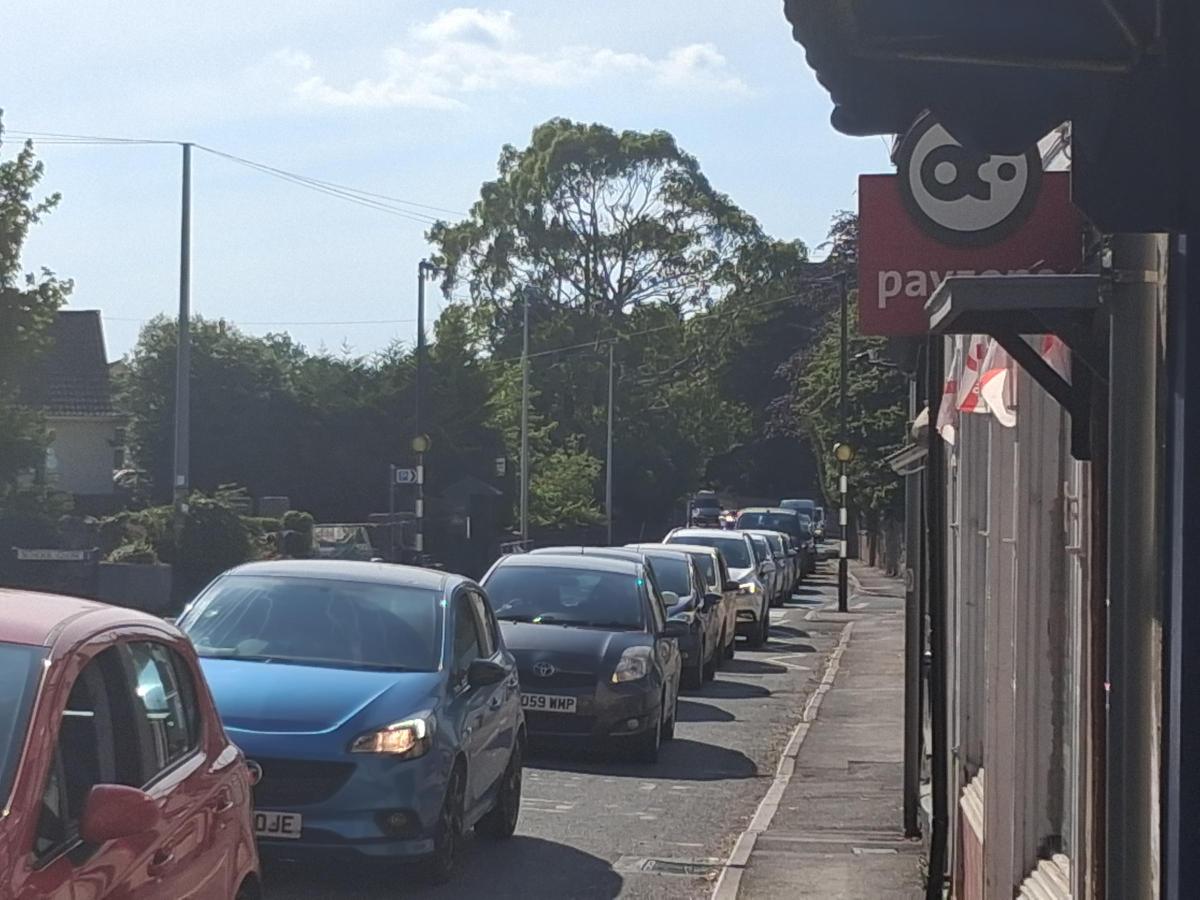
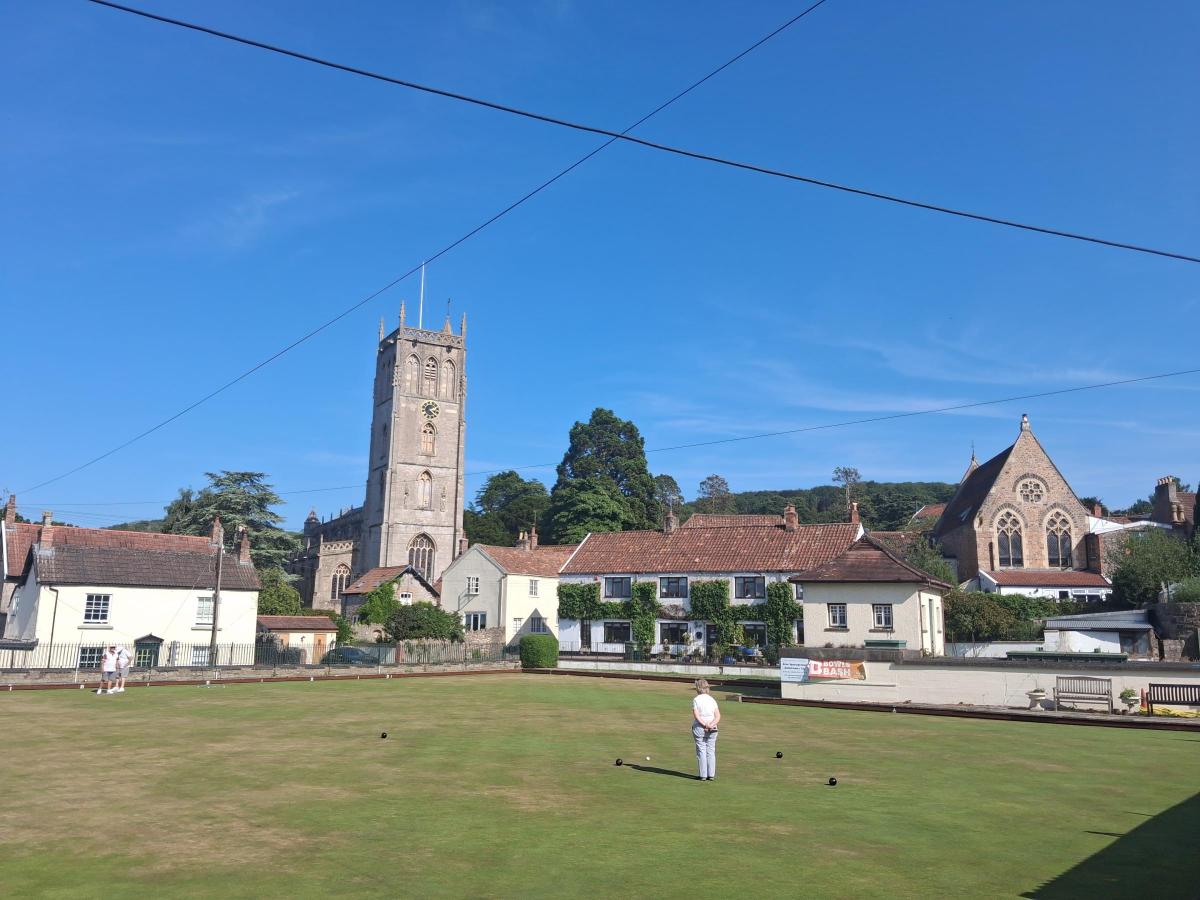
The idea of building a bypass around Banwell was first proposed in 1927. The small village on the edge of the Mendip Hills has been plagued by uniquely terrible traffic since at least the mid-eighteenth century.
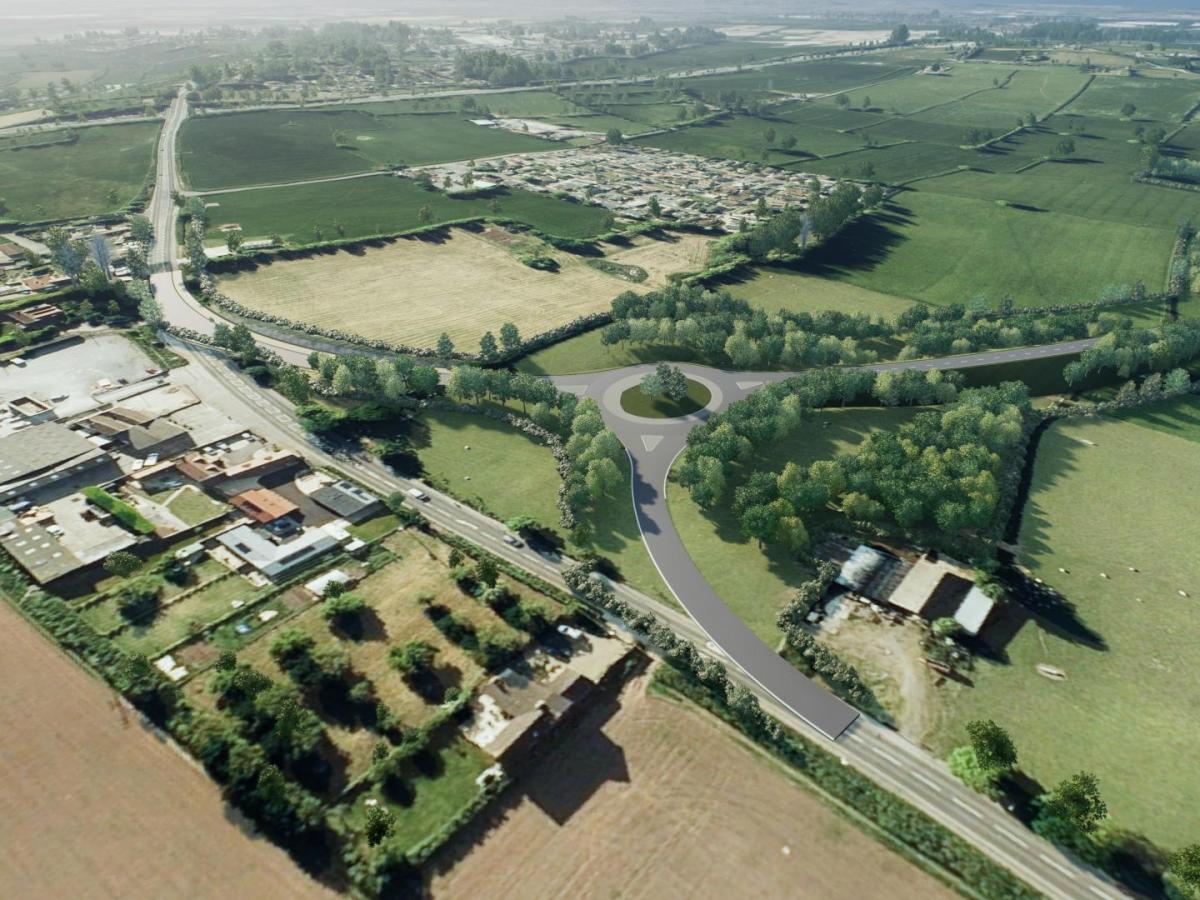
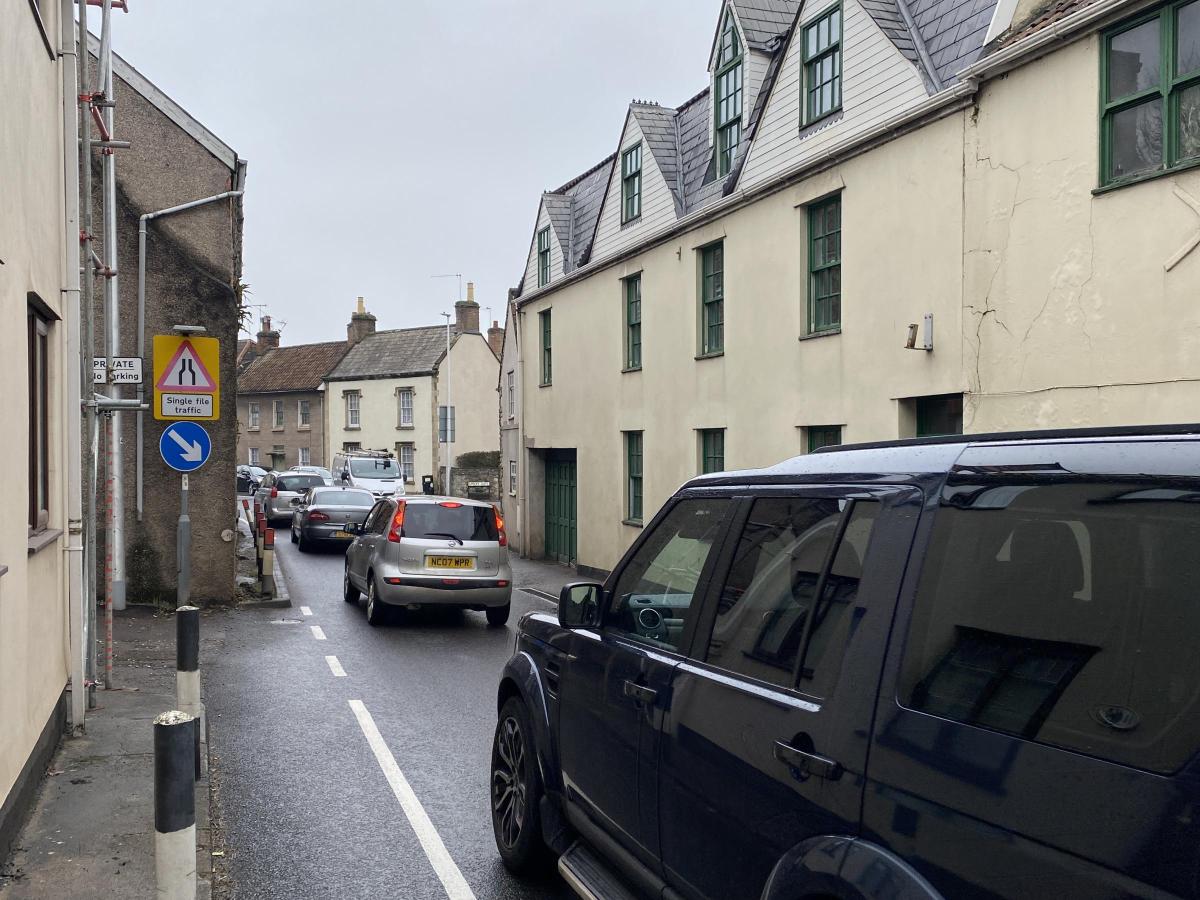
Today, two A-roads funnel traffic into the village which at one point has to go down a single track lane. The Banwell bypass will run in an m-shaped course north of the village, taking traffic away from its narrow lanes.
The project was originally set to cost £66m entirely funded by Homes England but various delays — including the original contractor pulling out in 2024 — saw the cost increase to £105m. Homes England partially contributed to making up that budget gap, but now the council faces a deadline of March 2027 to spend the Homes England funding.
If work is delayed too long, the council could run out of time to spend the last £1.2m to £2.75m of Homes England money. Mr Bell said it had asked for an extension and he was “confident” Homes England wanted to see the bypass delivered.
He said the council was also taking “every available avenue” to challenge the increased costs and pursue recovery from Bristol Water, but there was no guarantee of how much money it would be able to get back. He said: “We are essentially dealing with an organisation that is branded Bristol Water but which is owned, and the decisions are made, in Spain. And their attitude is not one of constructive engagement in the way that we would have wanted.”
Helen Thornton (Weston-super-Mare Uphill, Labour) said: “This is just yet another example of the case for water renationalisation.”
A spokesperson for Bristol Water said: “While there have been delays due to a number of factors, we have worked closely with the council to address these issues and now have an agreed plan in place to move the project forward.”


Share